 Breaking News

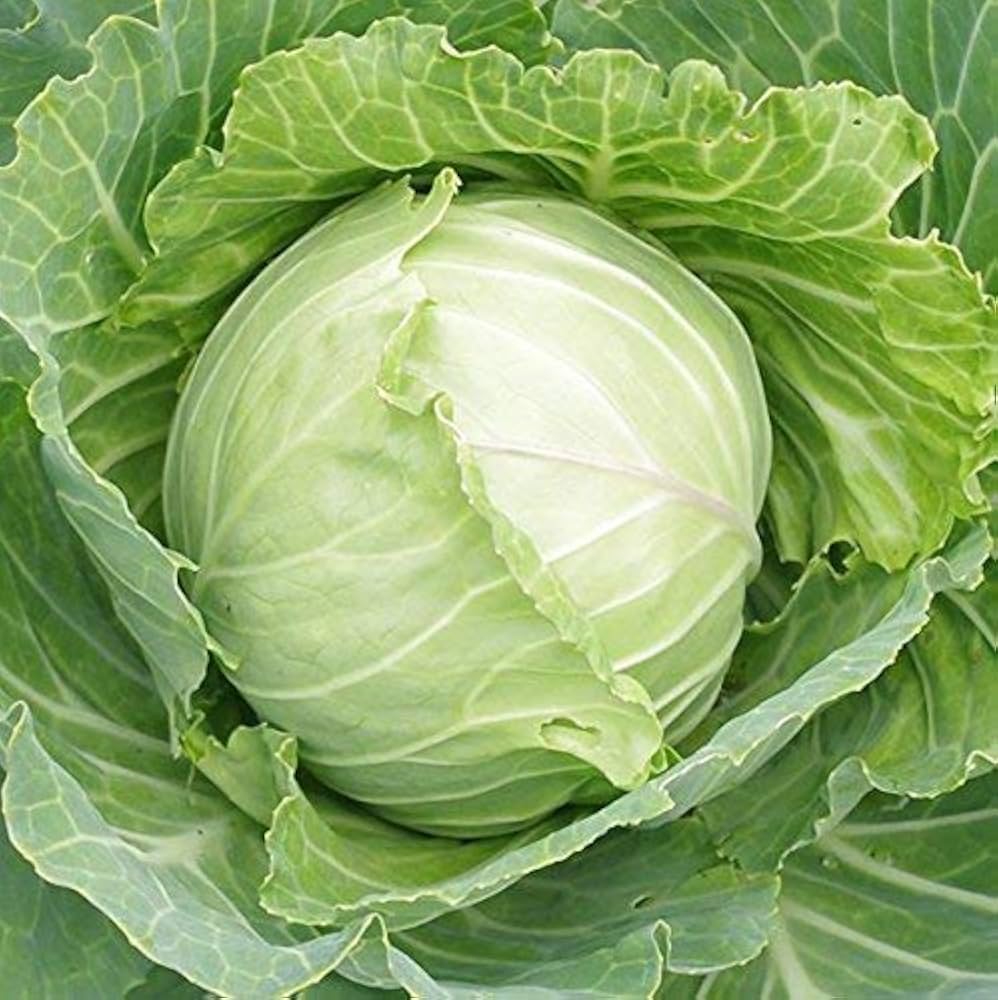
A study conducted by the Centre for Indigenous Knowledge and Organisational Development in collaboration with the Ghana Standards Authority has revealed high levels of pesticide residues in cabbage and okra sold on the Ghanaian market.
The research analysed 12 samples of the two widely consumed vegetables and found that eight samples, representing more than 66 per cent, exceeded acceptable pesticide residue limits. All six cabbage samples tested were found to be non-compliant with safety standards.
The findings have prompted CIKOD to call for the urgent adoption of agroecological farming practices, arguing that Ghana must reduce its reliance on synthetic agrochemicals to safeguard public health and food safety.
According to the organisation, the study should serve as a wake-up call for the government, farmers and consumers to support safer food production systems and strengthen efforts to promote sustainable agriculture.
Explaining the choice of vegetables, CIKOD's Director of Programmes, Wilberforce Laate, said cabbage and okra were selected because they are among the most widely consumed vegetables across the country.
"We selected cabbage and okra because they are widely consumed. Across the country, people eat okra, while cabbage has become an important part of our diet through salads and other meals. We wanted scientific evidence to confirm what many people had suspected," he said.
Laate warned that continued exposure to excessive pesticide residues could pose serious long-term health risks if urgent action is not taken.
"It will get to a time when the impact will be really damaging because we are consuming these chemicals. That is why we need to stop and promote safer agricultural practices," he added.










Comments (0)
No comments yet. Be the first to comment!