 Breaking News

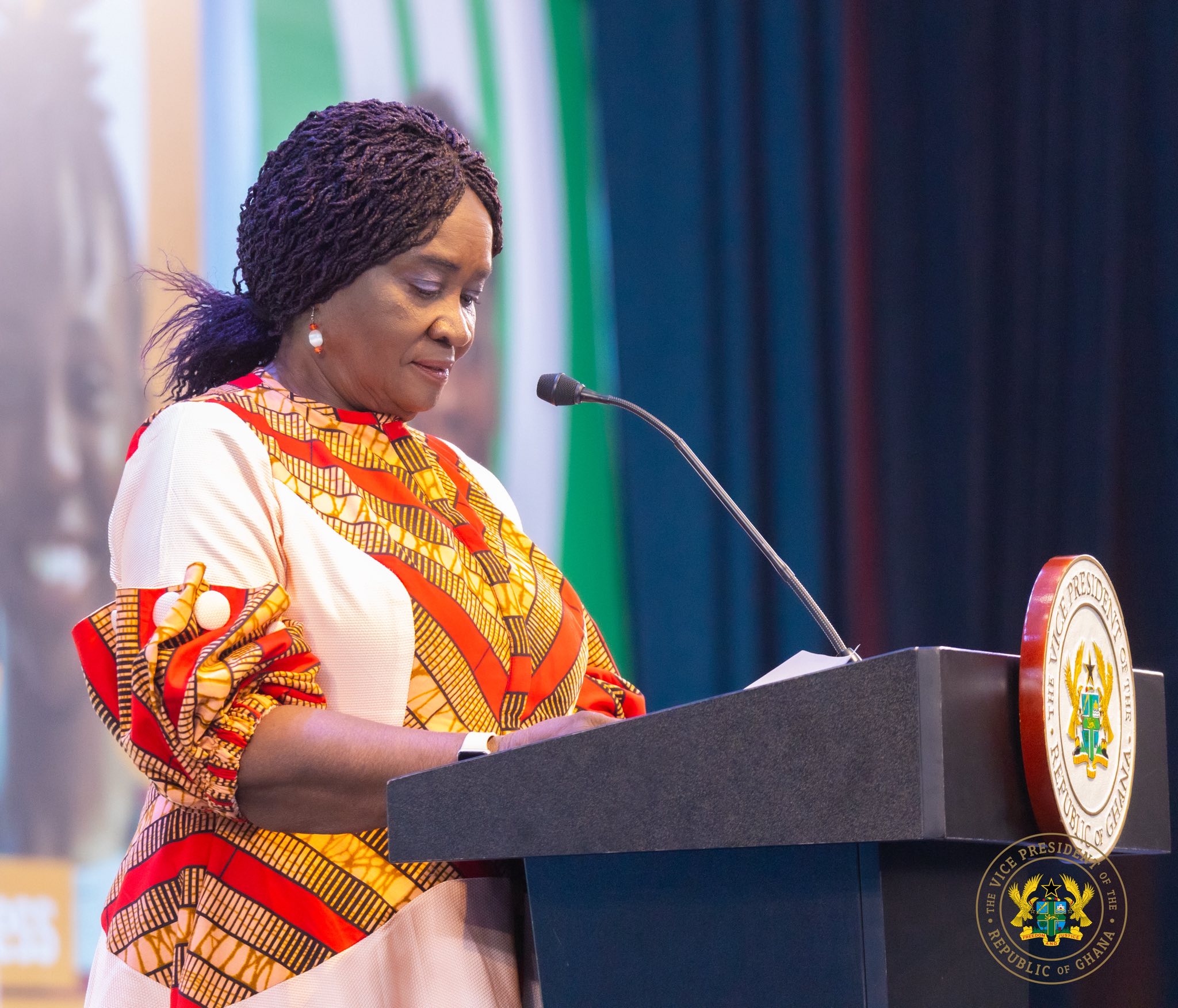
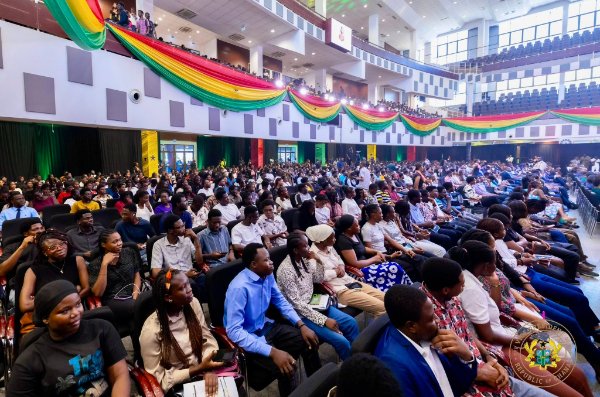
The Government of Ghana has launched the Students Entrepreneurship and Enterprise Development Programme at the University of Professional Studies, Accra, positioning it as a major intervention to accelerate youth entrepreneurship and tackle unemployment.
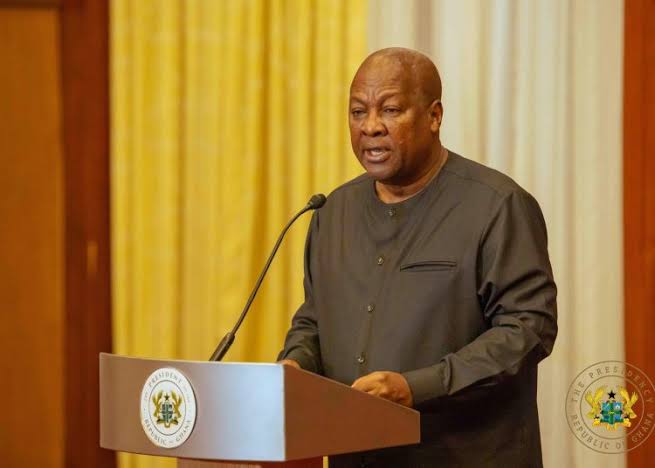
The initiative, introduced under the administration of President John Dramani Mahama, is designed to provide students with practical skills, mentorship, funding access, and business development support.
Vice President Jane Naana Opoku-Agyemang said the programme reflects a deliberate effort by government to move beyond policy statements to tangible outcomes.
“This event shows what Ghana can achieve by deliberately nurturing young people to seek opportunities and also create for themselves and for others,” she stated.
She noted that the SEED Programme builds on the success of the Adwumawura initiative, which has already exceeded its targets.
According to her, government has supported over 3,200 businesses and trained more than 10,800 young Ghanaians, surpassing initial expectations.
“Adwumawura attracted numerous applications when it opened, demonstrating the readiness of Ghana’s youth to innovate and take risks,” she said.
“This programme provides a platform to support students in transforming innovative ideas into sustainable enterprises.”
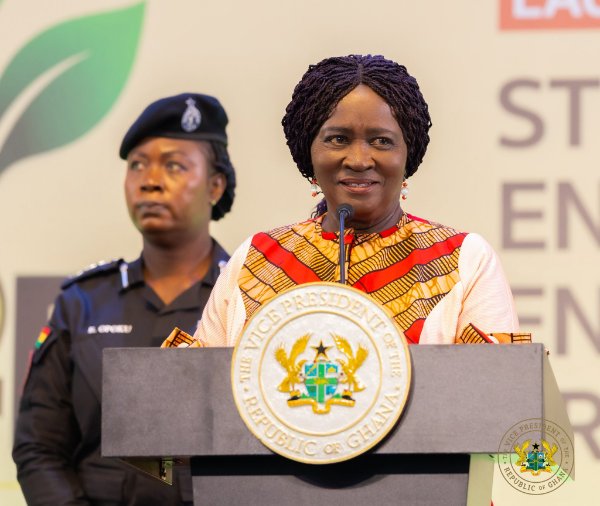
Minister for Youth Development and Empowerment, George Opare Addo, described SEED as a continuation of a results driven approach to youth development.
“Too many young people graduate with knowledge and without a pathway. Too many brilliant ideas are still in notebooks, never becoming businesses,” he said.
He stressed that the programme is structured to bridge that gap through training, mentorship, and funding support.
“Poverty does not know any political colour. When opportunities and jobs are created, it benefits everyone,” the Minister added.

Chief Executive Officer of the National Entrepreneurship and Innovation Programme (NEIP), Eric Adjei, said SEED represents a strategic shift towards early stage entrepreneurship development.
“SEED is not just another initiative. It is a strategic shift. This is not theory. This is action,” he said.
He explained that the programme was developed through collaboration with academia, private sector actors, and development partners to ensure practical impact.

Mr Adjei also called on stakeholders to support the initiative, noting that youth entrepreneurship development requires collective effort.
The SEED Programme is expected to create a pipeline of student entrepreneurs capable of building sustainable businesses and contributing to national economic growth.













Comments (0)
No comments yet. Be the first to comment!