 Breaking News

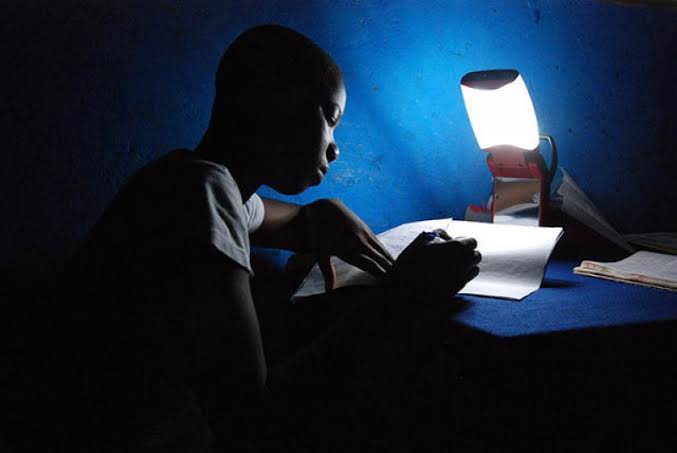
For many people in Ghana, electricity is an essential part of everyday life.
Students need it to study and complete assignments, while small businesses depend on it to operate and serve their customers.
However, frequent power interruptions continue to create challenges for many households and enterprises across the country.
In some communities, power outages can last for several hours, leaving residents with little choice but to wait for electricity to be restored. For students, this can be particularly frustrating, especially during examinations or when assignments are due.
Students who depend on phones, laptops and other electronic devices may find it difficult to study or complete their work when their batteries run out.
Some are forced to look for alternative places where they can charge their devices, while others have to postpone their academic activities until power is restored.
Small businesses also feel the impact of unreliable electricity. Food vendors, hairdressers, phone-charging shops and other businesses that depend on electricity may lose customers and income during prolonged power outages.
Mr Ibrahim Mohammed, a small-business owner, said frequent power interruptions make it difficult for him to plan his daily activities and serve customers effectively.
The effects of power outages can also be felt in households. Residents may struggle to keep food properly refrigerated, charge their phones or carry out other essential activities that require electricity.
Although power interruptions cannot always be avoided, better communication about planned outages could help residents and business owners prepare in advance.
Providing reliable electricity is also important for education, entrepreneurship and economic development.
Students and small-business owners can also consider alternative sources of power, such as rechargeable lamps, power banks and solar-powered systems where possible.
Reliable electricity is more than simply having lights in homes. It supports education, businesses and many other aspects of everyday life.
For Ghana to continue developing, access to stable and reliable electricity must remain an important priority.
By: Abdul Rashid Suleymana, a student of Journalism and Media Studies at the University of Education, Winneba.







Comments (0)
No comments yet. Be the first to comment!