 Breaking News

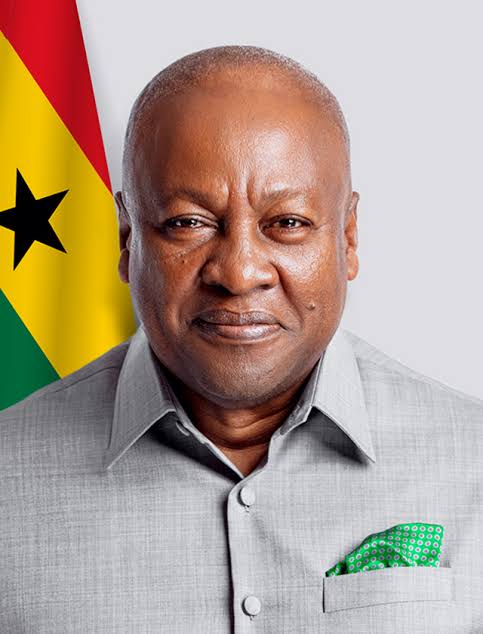
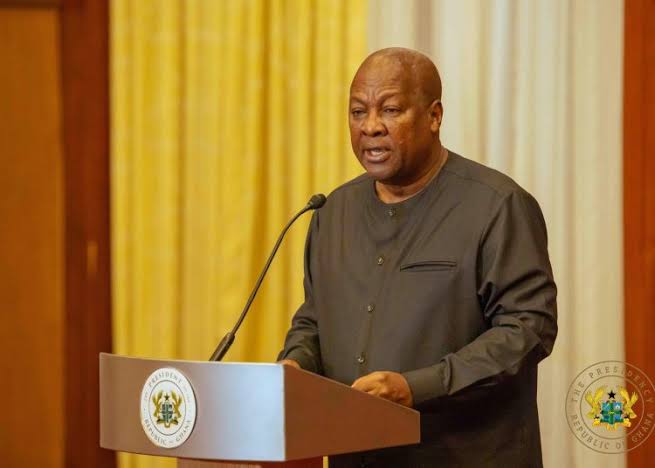
A ministerial reshuffle can make a government look decisive. But changing the people in charge does not automatically change what happens inside a ministry. For President John Dramani Mahama, the latest changes will only justify themselves if the new arrangements produce better decisions, a stronger administration, and visible improvements for Ghanaians.
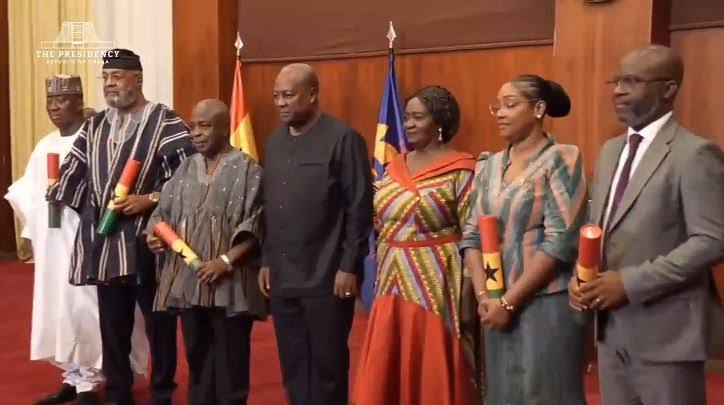
On August 7, 2026, President Mahama announced major changes to his government. Kenneth Gilbert Adjei was moved from the Ministry of Works, Housing, and Water Resources to the Ministry of Defence, while Ahmed Ibrahim moved from Local Government, Chieftaincy, and Religious Affairs to Works, Housing, and Water Resources.
Mr. Mahama Ayariga, then Majority Leader in Parliament, has been appointed to head the Ministry of Local Government, Chieftaincy, and Religious Affairs. Dr. Zanetor Agyeman-Rawlings was also appointed as Minister for Environment, Science, and Technology.
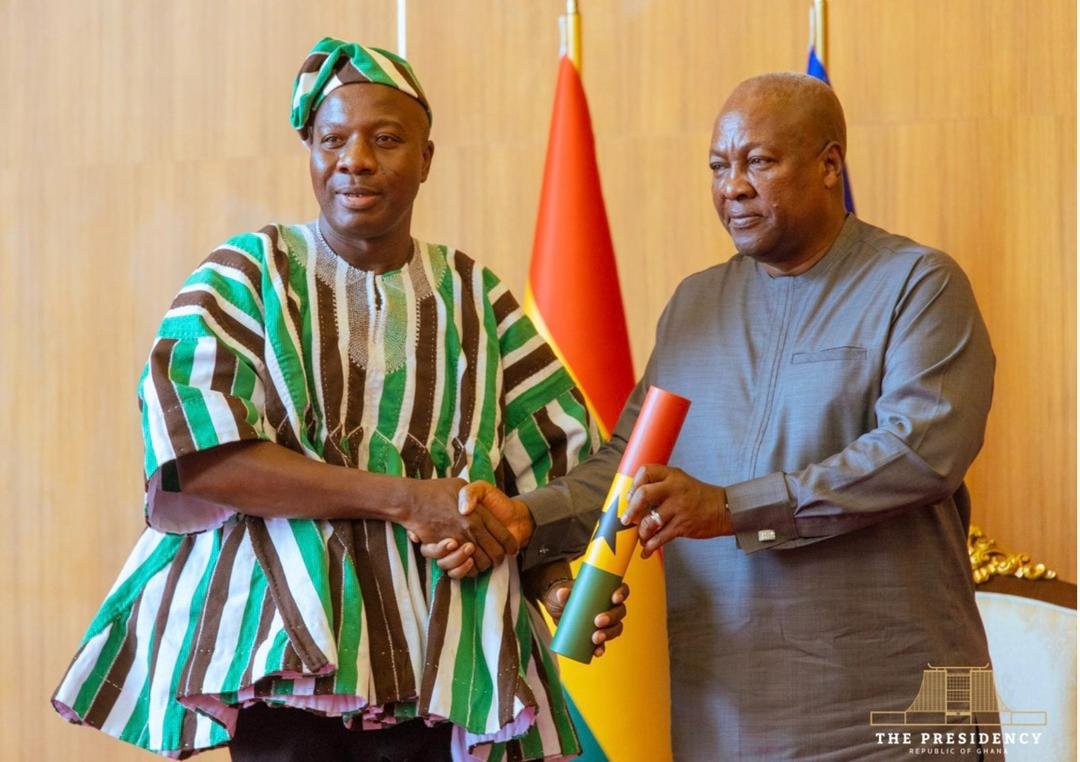
The Defence appointment carries particular weight, because the ministry had been without a substantive minister since the death of Dr. Edward Kofi Omane Boamah in the August 2025 helicopter tragedy, with Dr. Cassiel Ato Forson acting as Defence Minister until the reshuffling.
Mr. Adjei is therefore not simply stepping into a vacant office but is taking responsibility for Ghana’s defence policy at a time when security threats are becoming increasingly complex.
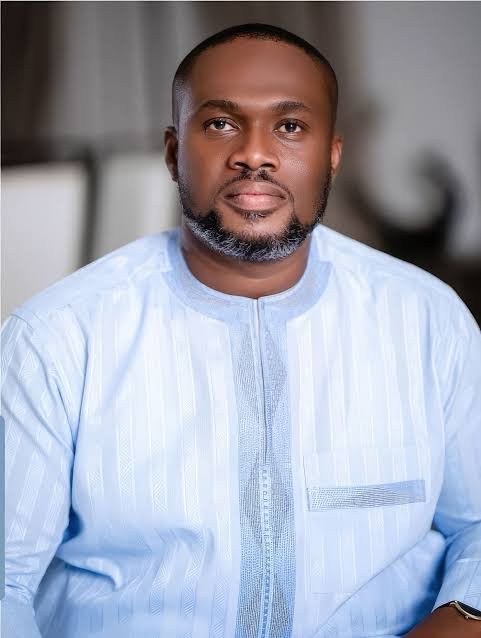
He has outlined plans to modernise the Ghana Armed Forces and strengthen the country’s response to emerging threats.
The challenge is turning that ambition into capability. Modernisation should eventually be visible in the equipment available to personnel, their working conditions and the country’s preparedness for terrorism, violent extremism, organised crime, maritime insecurity, and other emerging threats. These are areas where statements will matter far less than what the Armed Forces can actually do.
Mr. Ibrahim inherits a different set of pressures at the Ministry of Works, Housing, and Water Resources. His portfolio touches some of the most visible areas of public life, including road movement, trade, housing, living conditions, and water infrastructure. These necessities affect communities in one way possible, making the transfer more than an administrative change.
Mr. Ibrahim will have to show what he intends to do differently. Stalled projects will need attention, ongoing projects will need stronger supervision, and completed infrastructure must serve the people for whom it was built. Political experience can help a minister navigate government, but it cannot substitute for delivery.
Mr. Ayariga’s move into the executive also changed the balance of responsibilities within Parliament. His nomination created the need for the governing National Democratic Congress to select a new Majority Leader, with James Agalga eventually taking over the position.
The significance of that change goes beyond who organises government business on the floor of Parliament.
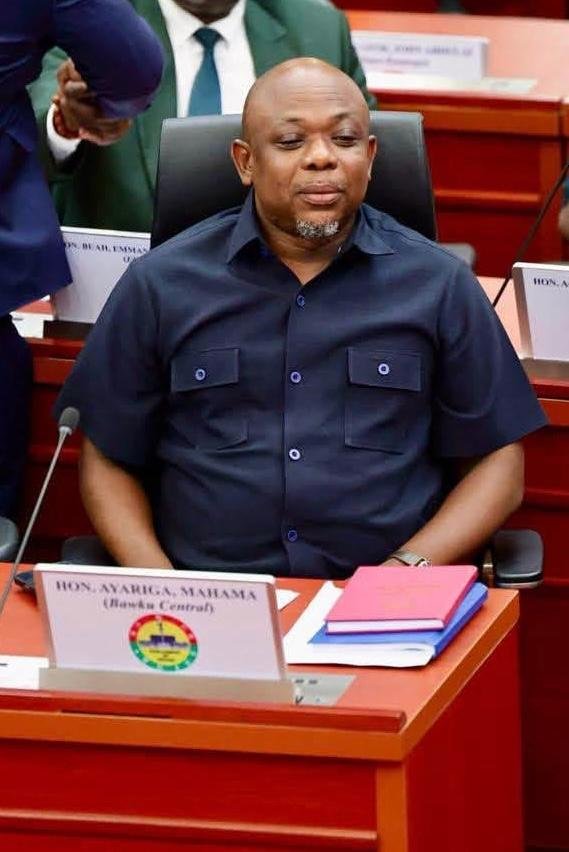
The Majority Leader has a responsibility to advance the government’s legislative programme, but Parliament also has a constitutional duty to scrutinise the executive. That places a particular responsibility on Mr. Agalga. He has indicated that he intends to build consensus and consult with the Minority. That approach should not be interpreted as avoiding disagreement.
A functioning Parliament must be capable of reaching agreement where possible while still asking difficult questions when necessary. A government majority should make legislation possible, not make scrutiny unnecessary.
Dr. Zanetor Agyeman-Rawlings faces perhaps the most closely watched of the new ministerial assignments. Her political background and family name will naturally attract attention, but neither should determine the judgement of her tenure. The Ministry of Environment, Science, and Technology has problems that cannot be solved by political symbolism.
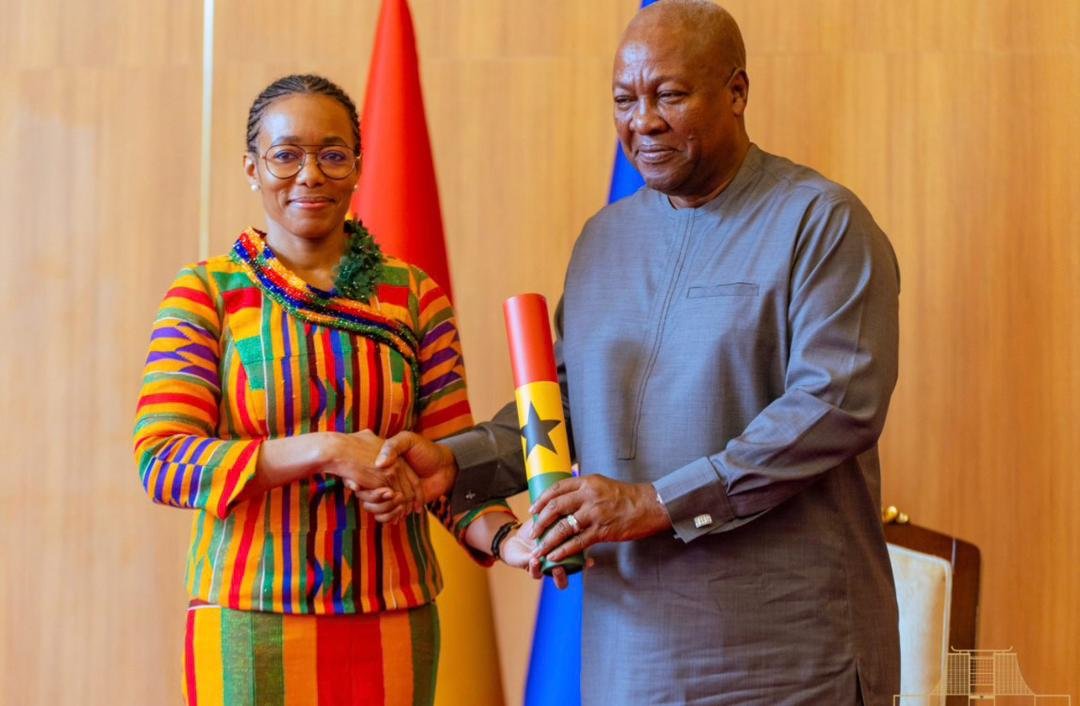
Illegal mining continues to put pressure on Ghana’s land and water bodies. Pollution and waste management remain concerns, while the country must also find ways to use science and technology to support development without sacrificing environmental protection.
Her record should therefore be measured by the effectiveness of environmental enforcement, the protection of natural resources, and the ministry’s ability to turn scientific and technological ideas into practical solutions.
Her background may make the appointment politically interesting. Her performance will make it politically meaningful.
Then came another round of changes on August 26. Abdul-Rashid Pelpuo was reassigned as Minister of State for Special Initiatives, while Emmanuel Kwadwo Agyekum moved from that portfolio to become Minister for Labour, Employment and Job Creation. Deputy Defence Minister Ernest Brogya Genfi was also reassigned as Presidential Adviser on National Resilience and Emergency Preparedness.
At that point, the reshuffle raises a broader question: is the administration fine-tuning its structure, or is it still searching for the right arrangement?
There is nothing inherently wrong with a president changing his team. A government that recognises a weakness and responds to it can demonstrate flexibility. The concern begins when ministers are moved so frequently that they spend more time adjusting to new portfolios than solving the problems within them.
A minister needs enough time to understand a ministry, set priorities, and be held responsible for the outcome. Without that period, accountability becomes blurred. It becomes difficult to determine whether a policy failed because it was poorly designed, poorly implemented, or simply abandoned before it had time to work.
That is why every change should have a discernible purpose. If Pelpuo is being placed in Special Initiatives because his experience is considered better suited to that role, the results should eventually demonstrate that judgement. If Agyekum is being moved to Labour, Employment and Job Creation, the administration should be able to explain what it expects him to achieve there. The same applies to Brogya Genfi’s new responsibility for national resilience and emergency preparedness.
The public should not have to judge these changes by the names on appointment letters alone. Their value should become clearer through what happens afterwards.
President Mahama has already indicated that more reshuffles could come. That authority is part of the presidency. But a government cannot keep correcting its personnel without also correcting the systems in which those personnel work.
Where the problem is weak coordination, inadequate institutional capacity, or ineffective processes, replacing a minister may only change the person dealing with the problem. It does not necessarily remove the problem itself.
For Ghanaians, however, the debate is much simpler than the politics surrounding the appointments.
A trader wants roads and markets that make it easier to do business. A young person looking for work wants an economy capable of creating opportunities. A farmer needs reliable roads, water, and access to markets. A community living with the effects of illegal mining wants its rivers and land protected. And the taxpayer wants public money to produce something of value. Those expectations are the real measure of the reshuffle.
Mahama has changed the people occupying several important positions in his government. He must now demonstrate that the changes were more than administrative rearrangements and that each appointment was made with a clear problem, responsibility, and outcome in mind.
A reshuffle is only a reset if it changes the results. Otherwise, it is simply movement.








Comments (0)
No comments yet. Be the first to comment!