 Breaking News

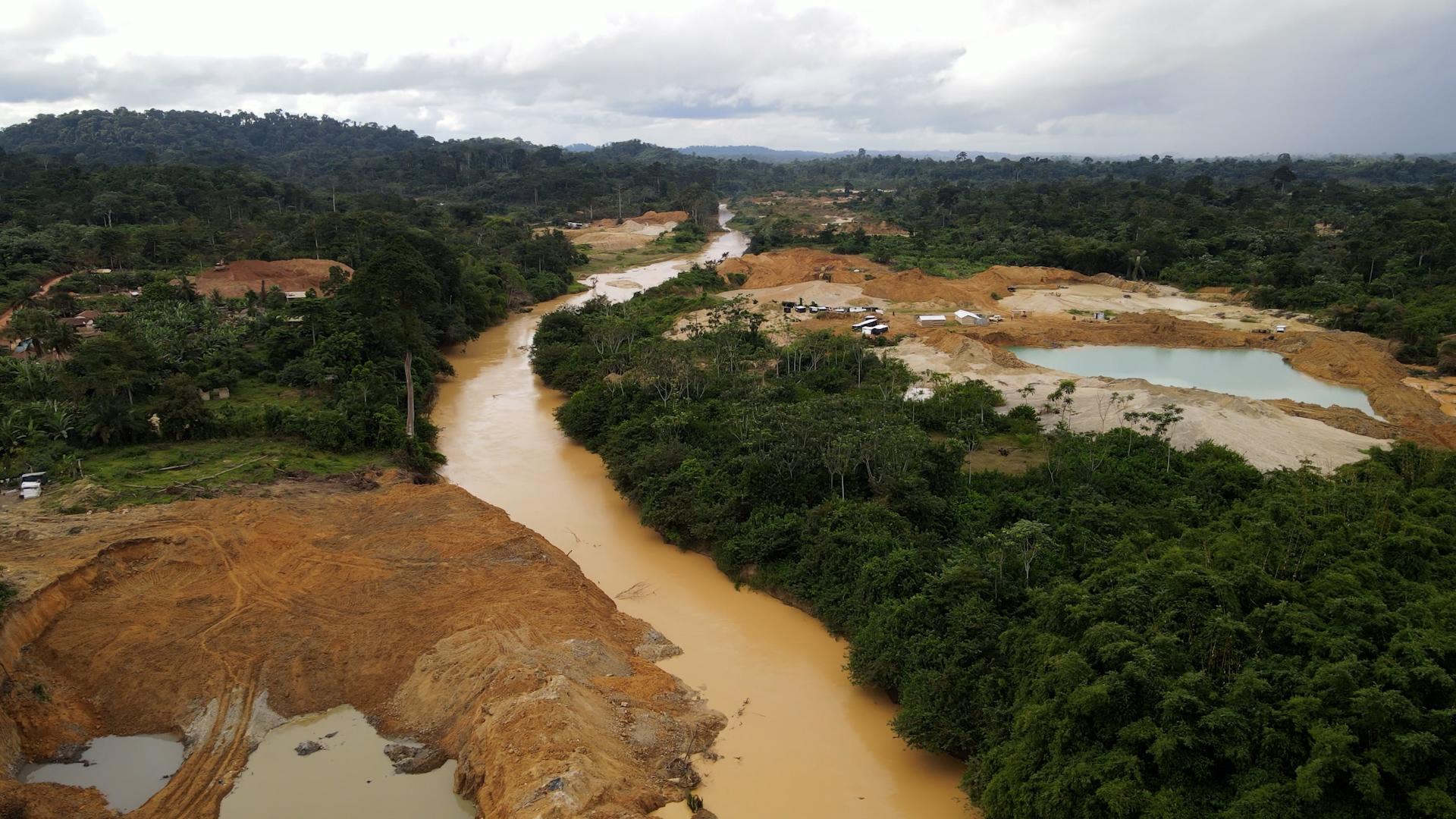
Illegal small‑scale mining, popularly known as galamsey, is polluting rivers, destroying farmlands and exposing communities to health risks across Ghana, residents and officials say.
The activity has surged in mineral‑rich areas, leaving behind abandoned pits, contaminated water sources and damaged agricultural livelihoods.
Illegal small‑scale mining, popularly known as galamsey, is causing extensive environmental and social damage in many of Ghana’s mineral‑rich districts, with communities reporting polluted rivers, destroyed farmland and growing health concerns.
The activity has become widespread in areas including Tarkwa, Prestea, Wassa Amenfi and Bogoso in the Western Region; Obuasi and Amansie in the Ashanti Region; Dunkwa‑on‑Offin in the Central Region; and parts of the Akyem area in the Eastern Region. Individuals and groups often operate without licences and some use heavy machinery such as excavators.
The operations have transformed once productive landscapes into mining sites, leaving polluted water bodies, destroyed vegetation and abandoned pits.
Major waterways, including the Pra, Ankobra, Birim, Offin and Tano rivers, have been reported as contaminated. Communities that once relied on these rivers for drinking water, farming and fishing have been forced to find alternative sources.
One major concern is the use of mercury in some illegal gold‑processing activities.
Mercury is used to separate gold from other materials, but improper handling can contaminate water sources and harm humans, animals and aquatic life.
Long‑term mercury exposure can affect the nervous system and cause serious health problems, particularly in children and pregnant women.
The environmental damage has hit agricultural communities hard.
Farmlands used for cocoa and food production have been destroyed in some mining areas, leaving farmers without their main source of livelihood.
Mr Emmanuel Gyan, a farmer and resident of Dunkwa‑on‑Offin, said illegal mining has destroyed his farmland and left him without his main source of livelihood.
The destruction of farmland raises broader concerns about Ghana’s agricultural future, especially for cocoa, as many cocoa‑growing areas overlap with regions where illegal mining takes place.
Women in mining communities are also affected, since many depend on farming, trading and small businesses linked to agriculture.
Beyond environmental degradation, the effects of galamsey put nearby communities at risk through polluted water, contaminated food sources and exposure to hazardous chemicals.
The Ghana Water Company Limited has warned that treating water from heavily polluted rivers is becoming increasingly difficult and costly, because highly contaminated raw water requires more resources to make it safe for public consumption.
Abandoned mining pits create another safety hazard. After gold is extracted, illegal miners sometimes leave deep holes that collect rainwater. These pits are dangerous to humans and animals, particularly children. Collapses of unsafe pits have also been linked to fatal accidents among miners.
The prevalence of illegal mining is driven by several factors, including unemployment and poverty. For many young people in rural communities, mining appears to offer a quick source of income when formal employment opportunities are limited.
High international demand for gold and rising gold prices further incentivise attempts to access the mineral through illegal means.
Weak enforcement of mining regulations has compounded the problem. Inadequate monitoring, limited resources for enforcement agencies and allegations of corruption have made it difficult to control illegal operations.
Local support for mining as an economic opportunity, land ownership disputes, traditional authority dynamics and political influences also hinder efforts to curb galamsey.
Although illegal mining provides short‑term income for some, its long‑term economic consequences are increasingly damaging.
Destroyed farmlands deprive farmers of income and require government expenditures for land restoration and medical treatment.
Illegal operations also deprive the state of revenue by avoiding taxes, royalties and other payments associated with licensed mining.
Experts and community leaders say addressing galamsey requires more than arrests and the destruction of equipment.
They recommend strengthening regulation of small‑scale mining while making legal channels more accessible.
The licensing process should be simpler and faster for genuine small‑scale miners, and environmental protection should be central to mining policy, with operators held accountable for land restoration.
Community involvement is also crucial. Chiefs, traditional leaders, youth groups and civil society organisations can work with government agencies to monitor mining activities and protect natural resources.
Creating sustainable employment opportunities, through investment in agriculture, technical training, entrepreneurship and rural industries, would provide alternatives for young people who might otherwise turn to illegal mining.
Public education is another key measure.
Schools, religious institutions, traditional authorities and community organisations can raise awareness about the dangers of destroying rivers, forests and farmlands, and the long‑term costs to communities and the nation.
Ghana has benefited from gold for centuries, but the destruction associated with irresponsible mining prompts a fundamental question: how much environmental and human damage should the country accept in pursuit of mineral wealth?
The future of Ghana’s mining industry will depend not only on the quantity of gold extracted but also on whether future generations inherit clean rivers, productive farmlands and communities that can live with dignity.










Comments (0)
No comments yet. Be the first to comment!