 Breaking News

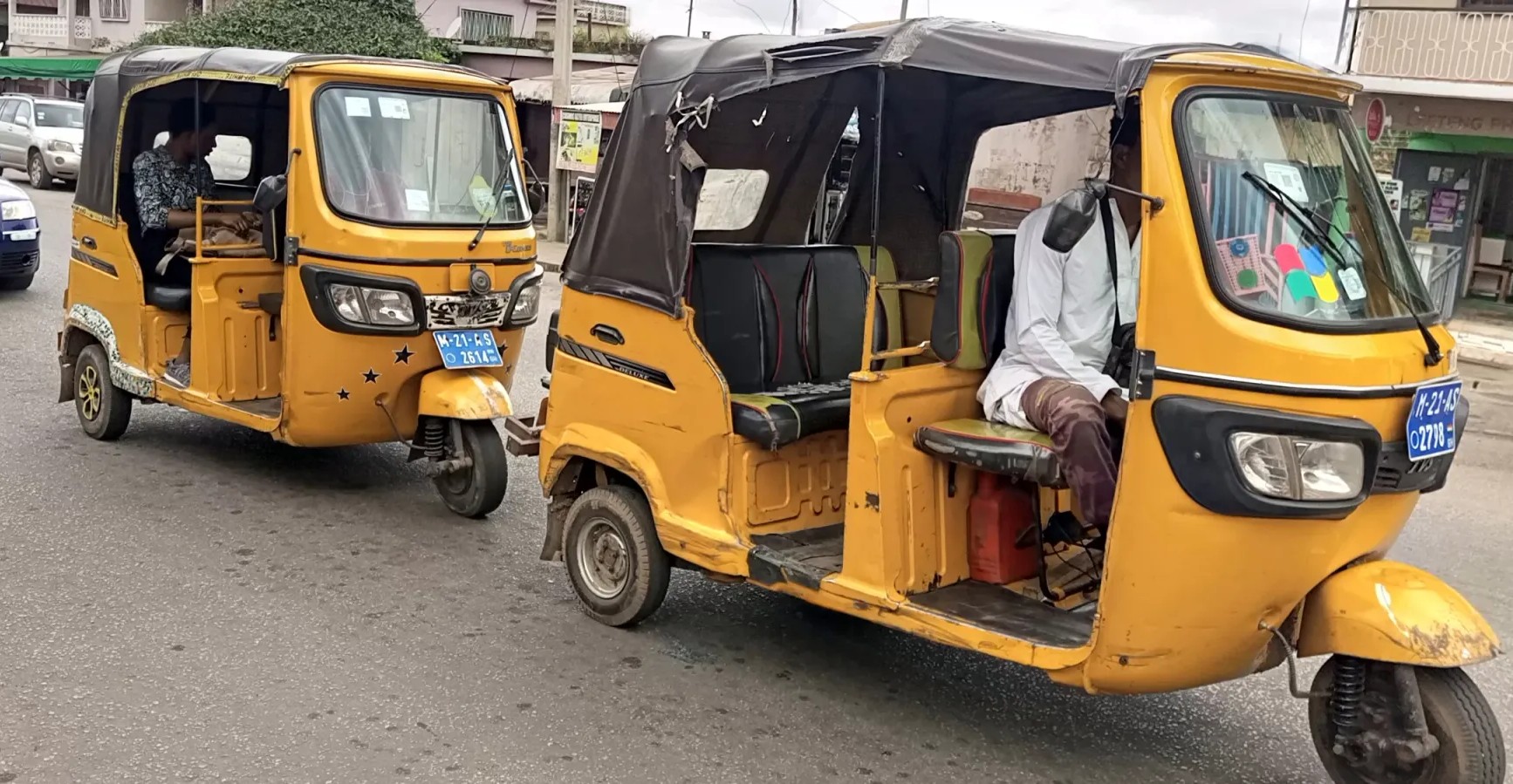
The growing use of auto‑rickshaws locally called “Pragya”, “Mahama Can Do” or “Cando”, and "Kɛkɛ" has created jobs for many young people in Winneba but has also heightened road‑safety risks, with minors operating the vehicles, frequent overspeeding and incidents of overloading reported.
The emergence of auto‑rickshaws as a common feature of Ghana’s transport sector has improved affordability and convenience for many residents in Winneba.
However, authorities and road users are increasingly concerned about safety practices associated with their operation.
Several eyewitnesses and motorists say a significant number of accidents involve auto‑rickshaw operators who appear inexperienced.
The legal driving age in Ghana is 18 years and above, yet some minors continue to operate these vehicles in Winneba, exposing themselves, their passengers and other road users to danger.
Kojo Ofori, a taxi driver operating in Winneba, recounted an incident in which a “Pragya” attempted to overtake his vehicle on a busy and narrow road, scraping the side of his car in the process.
According to Ofori, “they have no formal driving training and lack knowledge of basic road safety rules.”
He described their driving as “careless and reckless," warning that such behavior puts passengers, other motorists, and pedestrians at risk.
Overspeeding is commonly reported. Some operators appear to have little regard for speed limits and sometimes ignore speed bumps, increasing the likelihood of collisions.
Passengers also contribute to hazardous conditions by overloading the vehicles to reduce transport costs; it is common for two or three passengers to squeeze onto a seat designed for one person.
The excessive weight places additional strain on tyres and braking systems, increasing the risk of tyre blowouts, brake failure and loss of control.
Road‑safety advocates say the combination of inexperienced drivers, poor vehicle maintenance and common risky practices has contributed to a rise in accidents involving auto‑rickshaws.
They are urging authorities to step up enforcement of existing traffic laws and implement targeted safety measures.
Recommended measures include stricter enforcement of the legal driving age, mandatory driving training and licensing for auto‑rickshaw operators, regular vehicle inspections, public education campaigns on passenger limits and responsible driving, and stricter penalties for operators who flout traffic rules.
While auto‑rickshaws provide valuable employment and transport options in Winneba, balanced interventions are needed to protect passengers, operators and other road users. Stronger regulation, enforcement and public education can help retain the benefits of the sector while reducing its risks.










Comments (0)
No comments yet. Be the first to comment!