 Breaking News

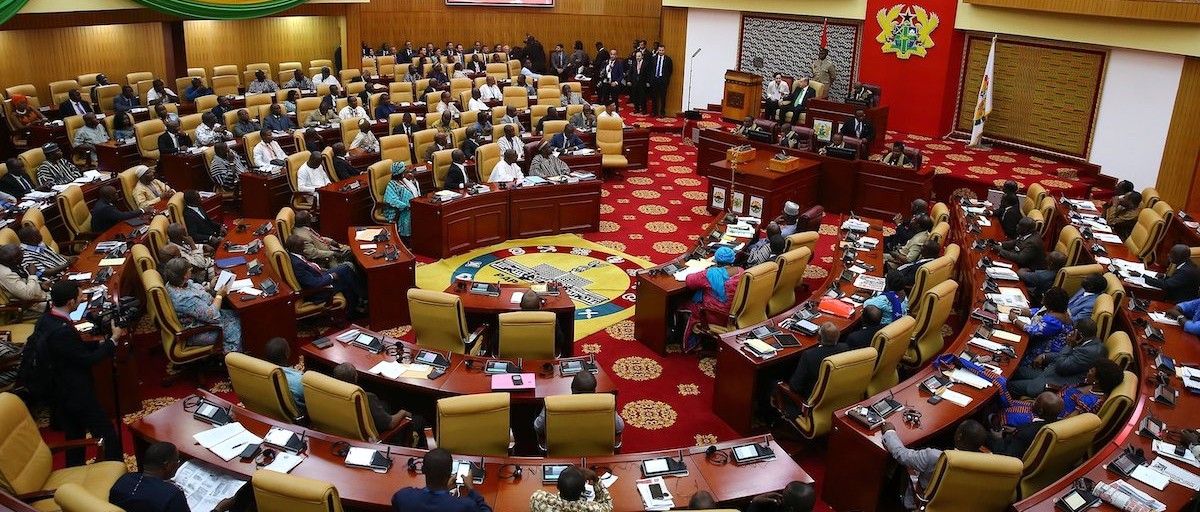
Women continue to be underrepresented in Ghana's political leadership despite making up more than half of the country's population, raising concerns about gender representation within leadership positions.
Although Ghana has made progress in increasing women’s representation in Parliament in recent years, women remain significantly underrepresented. According to the Inter-Parliamentary Union (IPU), the current parliament has 276 members, of whom 40 are women, representing 14.5% of the total membership.
Despite progress, women’s representation in Ghana’s Parliament remains below the internationally recognized 30% benchmark for women’s participation in decision-making, as established by the United Nations Economic and Social Council (UN/ECOSOC). High campaign costs, financial barriers during party primaries, and political violence and harassment continue to hinder women’s participation in Ghanaian politics.
Political observers attribute the low representation to several factors, including limited financial resources for female candidates, cultural stereotypes, unequal access to political opportunities, and the challenges of balancing political careers with family responsibilities..
Gender advocacy groups have called on political parties to increase the number of women they nominate for parliamentary and local government elections. They argue that greater female representation would strengthen democracy by ensuring that the interests and perspectives of all citizens are better reflected in governance.
Some women aspiring to political office have called for stronger mentorship programs, improved campaign financing, and greater public support to encourage more women to contest elections.
Stakeholders believe that continued public education, supportive policies, and equal opportunities within political parties will help increase the number of women in politics and promote inclusive national development.
The persistent gap has prompted governance experts to advocate for greater representation of women in decision-making and political leadership.







Comments (0)
No comments yet. Be the first to comment!