 Breaking News

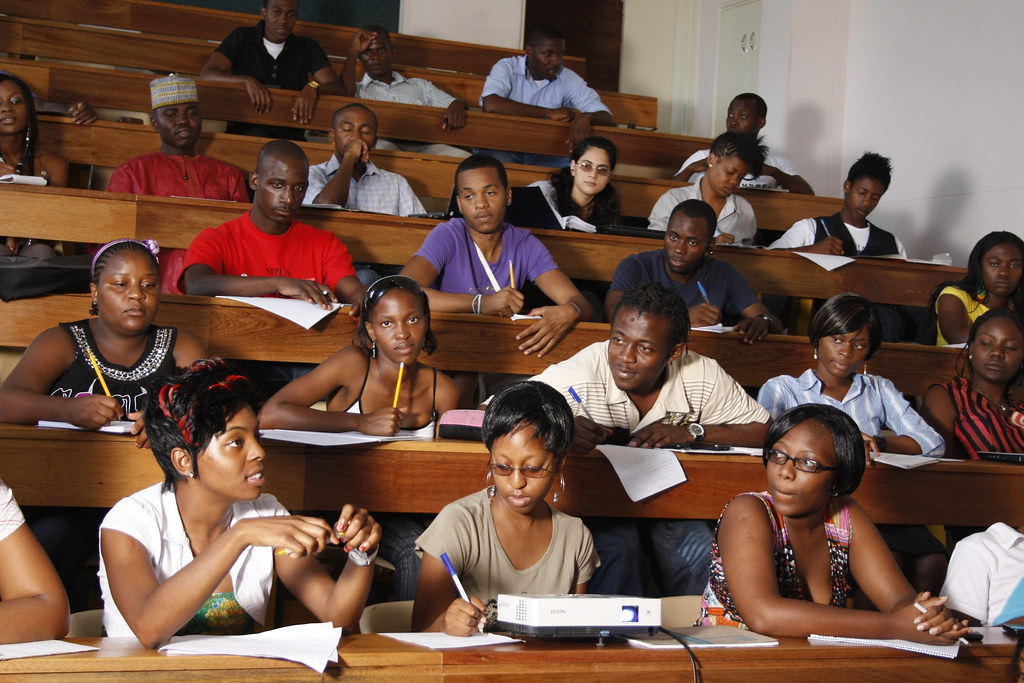
School is supposed to be a place where young people build their future. Students are expected to attend lectures, complete assignments, make friends and prepare for the world of work.
However, for many students in Ghana the struggle goes beyond understanding what lecturers teach. It is also about finding money to remain in school.
Behind the smiles of many students are unpaid fees, accommodation bills, transport costs, food expenses, learning materials and internet data. From the outside everything may appear normal, but some students are quietly struggling to survive.
One major challenge is the rising cost of living. Students who live far from campus may struggle to pay for transport. Some may even have to choose between attending an important lecture and saving money for food.
Others walk long distances to campus because they cannot afford transport.
Food is another serious concern. A hungry student may find it difficult to concentrate in class. Some students reduce the number of meals they take each day, while others depend on friends, roommates or relatives for food.
Accommodation can also create financial pressure. Students who cannot afford decent accommodation may live in crowded rooms or travel long distances to university. Those from families facing financial difficulties have even greater challenges because their parents or guardians may not be able to provide enough money.
As a result, some students turn to part-time businesses and jobs. They may sell clothes, food or cosmetics, or offer services to other students. While working can help students develop useful skills and earn money, it can also affect their education when the workload becomes too great.
A student who works late may become tired in class, have less time to study and struggle to complete assignments.
Financial pressure can also affect students emotionally. It may cause anxiety, embarrassment and frustration.
Some students avoid social activities because they cannot afford to contribute financially.
Social media can make the situation worse because students constantly see pictures of expensive meals, clothes, phones and holidays. This may create pressure to spend money simply to fit in.
Financial education is therefore important. Students need to learn how to budget, save and spend responsibly. They should understand the difference between their needs and wants. Having limited money does not mean that a student has failed.
Families and universities also have important roles to play. Parents and guardians should communicate openly with students about financial challenges. Universities should provide accessible scholarships, bursaries, work‑study opportunities and counselling services. Students should also be encouraged to seek help when they are struggling rather than suffer in silence.
The media has a role as well. Journalists should report not only on academic achievements and campus activities but also on the financial challenges students face. Questions about accommodation, food, transport, school fees and available support can help bring attention to problems that are often hidden.
Student financial pressure is not only a personal problem. It is connected to education, employment, social protection and national development. When a student drops out because they cannot afford to continue, the family, institution and country all lose an opportunity to develop future talent.
There is no single solution. Students must manage their money wisely; families should support them where possible; universities should strengthen financial support systems; and government and other organisations should expand opportunities for scholarships and assistance.
Most importantly, society should stop judging students because they do not have money. A student's financial situation does not determine their intelligence, character or future.
Education should not be a constant battle for survival. No student should have to choose between food and education or abandon their dreams because of temporary financial difficulties.
Behind every student is a future, and every young person deserves a fair opportunity to learn, remain in school and succeed.









Comments (0)
No comments yet. Be the first to comment!