 Breaking News

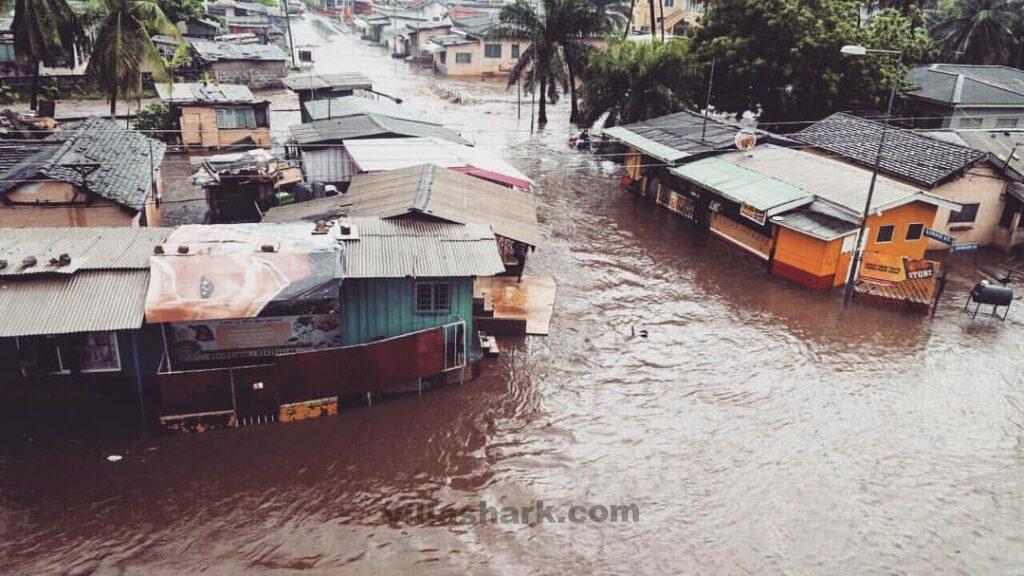
The Ghana Medical Association has urged President John Mahama to take decisive action to permanently address Ghana’s worsening flooding crisis, describing it as a public health emergency.
The Association said the increasing frequency and intensity of floods continue to claim lives, displace thousands of residents, destroy property, and disrupt essential services, including healthcare delivery and transport networks.
In a statement signed by its President, Prof. Dr. (Med.) Ernest Yorke, and General Secretary, Dr. (Dent.) Richard Selormey, the GMA stressed that the floods also heighten the risk of disease outbreaks across affected communities.
“We urge the President to take tough and decisive decisions and actions that will bring significant and lasting solutions to the perennial flood situation in Accra and other communities,” the statement said.
The GMA noted that while Accra remains the most affected, flooding has now spread to other regions, including Central, Western, Volta and parts of Greater Accra.
It attributed the crisis to multiple factors, including weak drainage infrastructure, rapid urbanisation, deforestation, climate change, poor waste management, and encroachment on wetlands and waterways.
Other contributing factors, the Association said, include illegal mining, weak enforcement of zoning laws, political interference, inadequate funding, and limited public education on environmental protection.
The GMA further urged government to strengthen drainage systems, enforce land-use regulations, improve urban planning, and intensify public education on sanitation and flood preparedness.
It also called for the depoliticisation of flood management and greater accountability for officials who approve illegal developments in flood-prone areas.
Additionally, the Association appealed for increased investment in emergency response institutions such as the National Disaster Management Organisation (NADMO), the Ghana National Fire Service, and hospital emergency units to improve disaster response.
Residents in flood-prone areas were also advised to observe strict hygiene practices, including drinking safe water, eating freshly prepared food, and seeking prompt medical attention when ill to reduce the risk of disease outbreaks.









Comments (0)
No comments yet. Be the first to comment!