 Breaking News

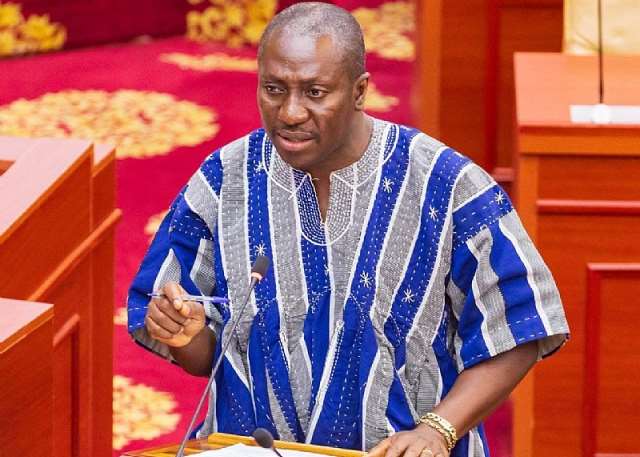
The Minority in Parliament is demanding a full inquiry into the government’s Flood Preparedness Taskforce following deadly floods that displaced thousands across Ghana.
The call was made by Minority Leader Alexander Afenyo-Markin at a press conference in Parliament on Tuesday, where he questioned the effectiveness of the taskforce established to coordinate flood preparedness and mitigation efforts.
The proposed inquiry seeks to examine the taskforce’s level of preparedness, interventions undertaken before the rains, and the allocation and utilisation of funds provided for its operations.
The demand comes in the wake of a briefing from the Ministry for the Interior indicating that at least nine people have died, seven remain missing, and more than 38,000 people have been displaced as a result of the floods.
Afenyo-Markin said the scale of destruction raises serious concerns about whether adequate preventive measures were implemented ahead of the rainy season, despite the existence of the Flood Preparedness Taskforce.
“Yesterday’s flooding is the clearest evidence that this task force produced no meaningful intervention on the ground. If serious drainage works, desilting or flood mitigation infrastructure had been undertaken, the impact of the rains, however heavy, would have been measurably reduced,” he said.
He argued that Parliament must establish a special committee to scrutinise the conduct of the taskforce alongside relevant ministries and agencies responsible for flood prevention and disaster management.
According to him, the inquiry should establish what work the taskforce has undertaken since its formation, how much funding it received, how those funds were spent, and what specific mitigation measures were implemented ahead of the floods.
“That enquiry must establish what work, if any, the task force undertook since its establishment, what funds were allocated to it and how they were spent, what specific mitigation measures were planned and implemented, and why none of this prevented or meaningfully reduced the impact of foreseeable seasonal flooding,” he stated.
Afenyo-Markin stressed that the call is rooted in accountability rather than blame, insisting that public institutions must be subjected to scrutiny when questions arise about their performance.
“This is not a presumption of guilt. It is a basic standard of accountability that any institution facing serious questions over its conduct should observe so that the investigation can proceed without interference,” he added.
The Minority also urged government to ensure that the GH¢300 million allocated for flood relief is distributed equitably, noting that affected communities outside Accra, including regions such as Central, Western, Volta and Ashanti, must also benefit.
The caucus further pledged to support victims of the disaster and to use parliamentary processes to ensure accountability for any public officials found to have failed in their duties.





Comments (0)
No comments yet. Be the first to comment!