 Breaking News

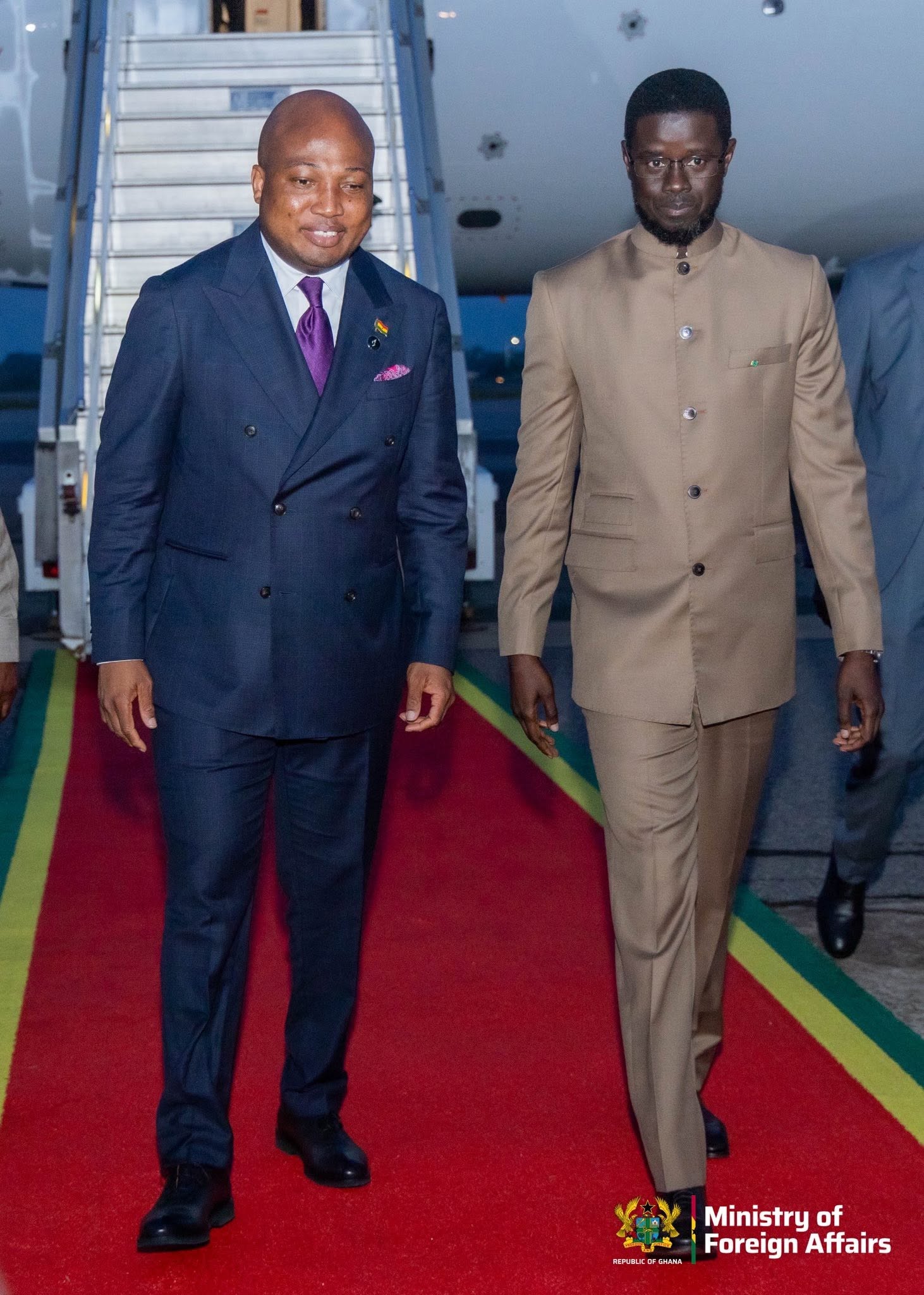
Accra has become the centre of global diplomatic attention as leaders from more than 80 countries converge for the Next Steps Conference on Reparatory Justice, a major international gathering focused on advancing discussions on reparations for the transatlantic slave trade and its lasting impacts.
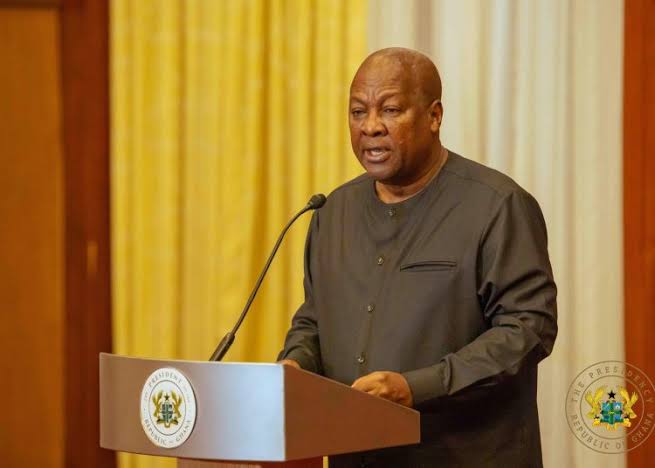
The conference, convened by Ghana’s President John Dramani Mahama, brings together heads of state, prime ministers, parliamentary leaders, ministers, academics, and civil society actors to build consensus on coordinated global action.
Among the high-profile attendees are the presidents of Senegal, Namibia, Liberia, and São Tomé and Príncipe, alongside the Prime Minister of Barbados, the Vice Prime Minister of Equatorial Guinea, and the Speaker of the Algerian Parliament.
The President of France, Emmanuel Macron, is also expected to participate, further underscoring the global significance of the gathering.
According to Ghana’s Foreign Affairs Minister Samuel Okudzeto Ablakwa, the conference is designed to accelerate international cooperation and develop practical frameworks for reparatory justice.
He noted that the discussions will bring together policymakers and experts to examine both the historical and ongoing consequences of the transatlantic slave trade.
The meeting follows the recent adoption of United Nations Resolution A/RES/80/250, which declared transatlantic enslavement as the gravest crime against humanity in history. The resolution has strengthened global momentum for reparative justice and renewed calls for tangible policy responses.
President Mahama, who has positioned Ghana as a leading advocate for reparatory justice, is expected to use the platform to push for stronger international partnerships and actionable commitments.
The conference is expected to conclude with a set of recommendations aimed at advancing global accountability, strengthening advocacy, and shaping policy responses to the legacy of slavery and colonial exploitation.







Comments (0)
No comments yet. Be the first to comment!