 Breaking News

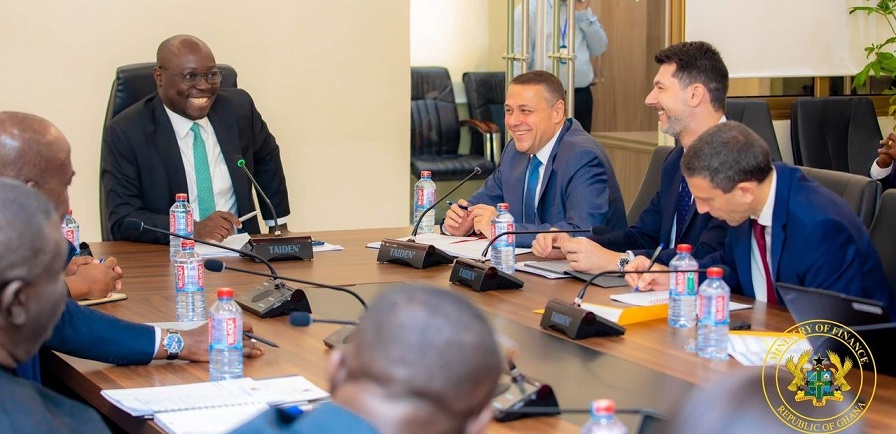
The Government of Ghana has announced the successful conclusion of its Extended Credit Facility (ECF) programme with the International Monetary Fund (IMF).
It emphasised declaring the end of the country’s financial bailout relationship with the Fund and hailing a return to macroeconomic stability and debt sustainability well ahead of schedule.
In a press release signed by the Minister of Government Communication and Presidential Spokesperson, Felix Ofosu Kwakye, decisive actions was taken in 2025 after the programme was derailed at the end of 2024 including frontloaded fiscal consolidation, bold expenditure rationalisation and a set of strong structural reforms, delivered rapid and measurable results.
He noted that inflation has reduced significantly, the cedi has strengthened markedly, public debt as a share of GDP has declined sharply, and economic growth has rebounded strongly.
The Government said, noting that Ghana’s sovereign credit ratings have improved from restricted default (junk) to ‘8’ with a positive outlook at a jump of five rating levels.
The upgrades, it added, reflect improved fiscal performance, normalised creditor relations, stronger external buffers and renewed market confidence.
"Ghana’s gross international reserves rose to a record high of approximately US$14.5 billion by February 2026, equivalent to nearly six months of import cover. These foreign exchange reserve buffers provide Ghana with the capacity to withstand external shocks and stand on its own feet.
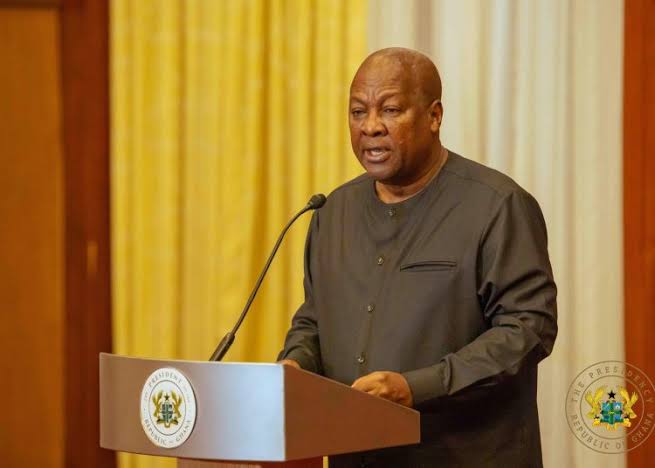
“Today we mark the definitive end of Ghana’s financial bailout relationship with the IMF. President John Mahama said, this achievement belongs to the people of Ghana who endured difficult choices so our country could regain economic stability and reclaim its financial sovereignty," he stated.
The government expressed deep gratitude to the people of Ghana for their sacrifices, resilience and forbearance during the adjustment process, and thanked bilateral creditors, members of the Official Creditor Committee and both external and domestic investors for their collective sacrifice.
Officials confirmed Ghana will transition to the IMF’s Policy Coordination Instrument (PCI), a non‑financing technical‑assistance arrangement designed to support policy implementation, strengthen institutional capacity and signal continued commitment to reforms.
The administration reiterated its commitment to good governance, prudent economic management and fiscal discipline while maintaining an investor‑friendly environment for both domestic and international capital.
“The PCI is not a bailout, it is a technical partnership that will provide continuous capacity development, boost market confidence and catalyse fresh financing from private investors and development partners as we pursue an Investment Grade credit rating," he said.










Comments (0)
No comments yet. Be the first to comment!