 Breaking News

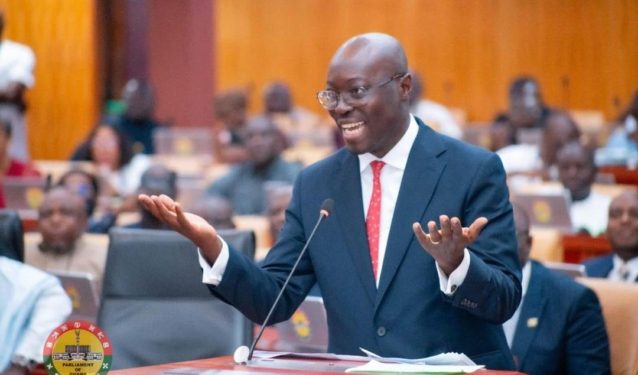
International rating agency Fitch Ratings has upgraded Ghana’s Long-Term Foreign-Currency Issuer Default Rating from ‘B-’ to ‘B’, assigning the country a Positive Outlook in a significant boost to investor confidence.
The upgrade reflects what Fitch describes as notable improvements in Ghana’s macroeconomic and fiscal position, driven by a sharp decline in public debt, stronger economic growth, improved fiscal discipline, and the recent appreciation of the cedi.
According to the agency, Ghana’s external position has also strengthened considerably, supported by a substantial rise in international reserves, which has helped reduce external financing risks and stabilise the economy.
Fitch projects that Ghana’s public debt will continue to decline, reaching approximately 46% of Gross Domestic Product (GDP) by 2027, a level it notes is below the average for similarly rated economies.
The agency further expects the Ghanaian economy to maintain strong growth momentum, averaging around 5% annually through 2027, driven largely by robust gold exports, easing inflationary pressures, and improving consumer confidence.
Inflation, which rose marginally to 3.4% in April 2026, is projected to remain on a downward trajectory, although Fitch cautioned that global oil price fluctuations could introduce some short-term pressure on price stability.
In addition, Ghana’s international reserves increased by US$5.4 billion in 2025, reaching US$12.3 billion, a development Fitch says has significantly strengthened the country’s external buffer and reduced vulnerability to shocks.
The Positive Outlook indicates that Ghana could see further upgrades if government maintains prudent fiscal management, sustains ongoing economic reforms, and continues strengthening public financial management systems.
However, Fitch also warned that risks remain. It noted that rising debt servicing costs, persistent high interest payments, or any weakening in fiscal performance could negatively impact the country’s credit profile going forward.
The upgrade is expected to be closely watched by investors, development partners, and financial markets as Ghana continues its post-stabilisation economic recovery path.








Comments (0)
No comments yet. Be the first to comment!