 Breaking News

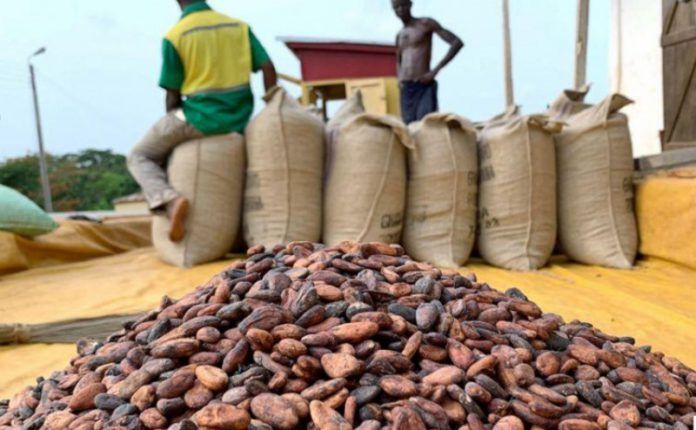
Ghana is set to introduce a new cocoa financing framework as the Ghana Cocoa Board (COCOBOD) finalises modalities for a major funding reform expected to take effect in the 2026/2027 crop season.
The Chief Executive of COCOBOD, Ransford Abbey, says the new model represents a significant shift in how the country finances cocoa purchases and is designed to improve price stability and secure sustainable incomes for farmers.
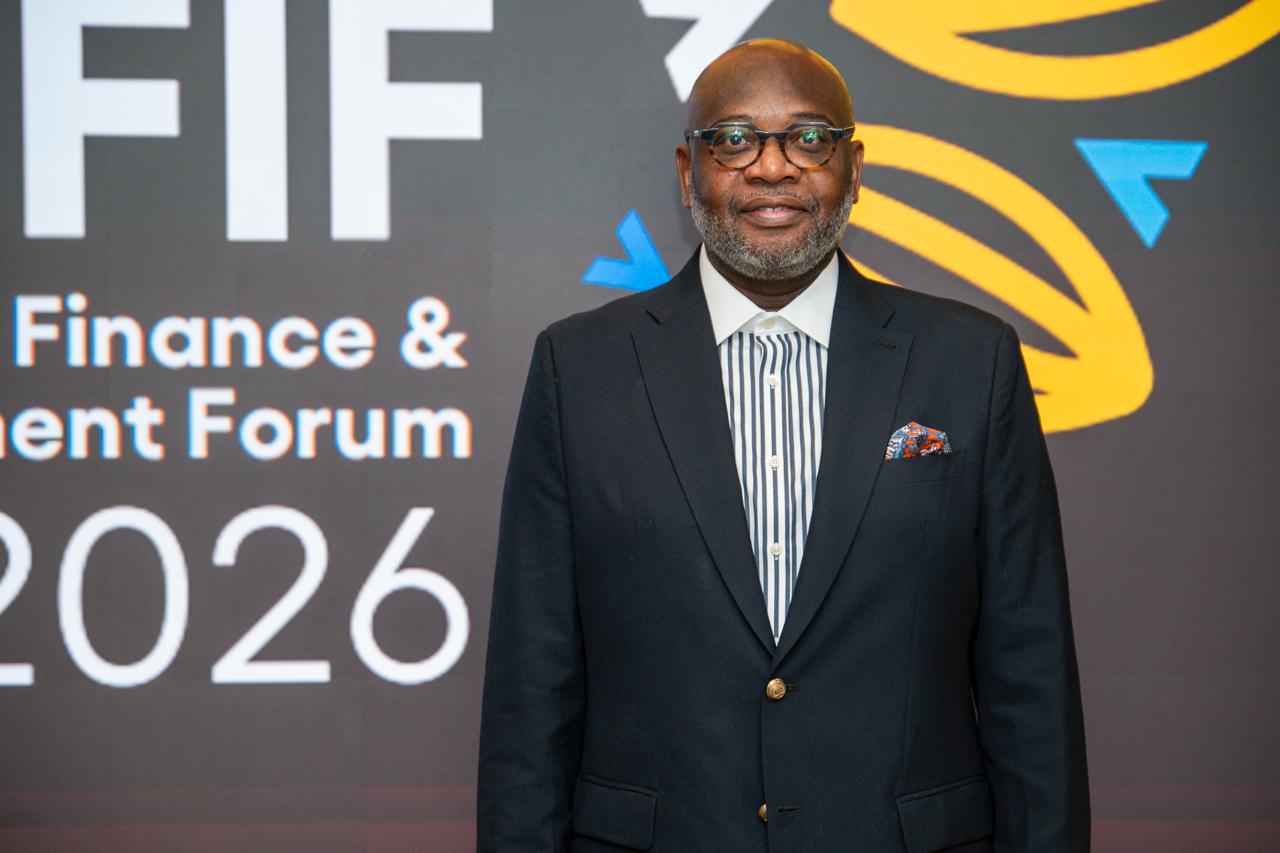
Dr Abbey made the announcement during a high-level panel discussion on Pre-Export Liquidity and Long-Term Capital at the Africa Cocoa Finance & Investment Forum (ACFIF 2026), held at the London Stock Exchange.
He explained that Ghana’s cocoa sector has, for more than 30 years, depended on syndicated loans backed by forward sales of cocoa. While the system has ensured access to liquidity, he noted that it has also required between 70% and 92% of the country’s cocoa output to be used as collateral for offshore financing.
According to him, the proposed reform is intended to reduce this dependency and modernise cocoa financing through a more flexible and diversified capital-raising structure.
“The new funding model will come with a new pricing mechanism which will involve periodic reviews, maybe quarterly, and will be used for the entire crop,” Dr Abbey said.
The model is expected to rely on instruments such as commercial paper and commercial notes, while also tapping into domestic institutional investors to raise funds locally.
A key feature of the reform is the maintenance of the existing policy that guarantees farmers 70% of the Free-On-Board (FOB) price, while introducing periodic price reviews to reflect changes in global cocoa prices and exchange rate movements.
The COCOBOD CEO said the objective is to balance farmer income stability with the financial sustainability of the cocoa industry, particularly in a volatile global commodity market.
The new framework is also expected to broaden participation in the cocoa value chain by increasing access to financing for local processors and indigenous Ghanaian firms, thereby improving value retention within the country.
Dr Abbey expressed confidence in Ghana’s financial system to support the transition, citing improving macroeconomic conditions and growing investor appetite for structured financial instruments.
He also acknowledged the need for clear communication with stakeholders, especially Licensed Buying Companies (LBCs) and investors, on the structure and scale of the new funding arrangement.
A detailed prospectus outlining participation guidelines for financial institutions and investors is currently being finalised, with assurances that it will be shared ahead of the 2026/2027 cocoa season.
The Africa Cocoa Finance and Investment Forum (ACFIF 2026) was convened by Cocoa Trade and Invest Africa, in partnership with the International Cocoa Organization (International Cocoa Organization) and the UK office of the Cocoa Marketing Company, bringing together policymakers, investors and industry players to discuss reforms aimed at strengthening Africa’s cocoa sector.











Comments (0)
No comments yet. Be the first to comment!