 Breaking News

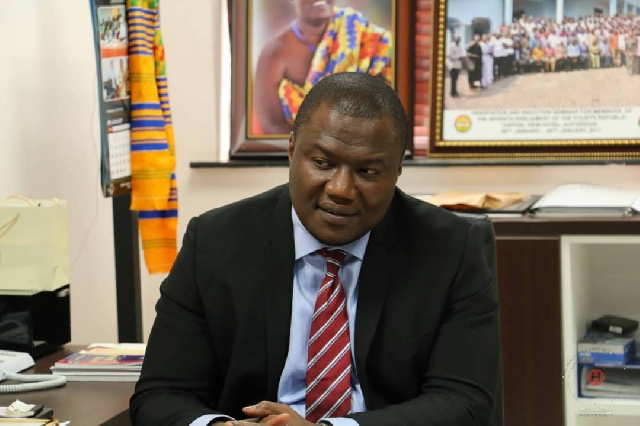
The Ranking Member on Parliament’s Health Committee and Member of Parliament for Effiduase/Asokore, Nana Ayew Afriyie, has raised concerns over what he describes as a “repackaging” of an existing national health initiative into the government’s newly introduced Free Primary Healthcare (FPHC) programme.
According to him, key components of the policy appear to mirror the previously introduced Free Annual Health Check programme implemented under the National Health Insurance Authority (NHIA) in collaboration with the Ministry of Health, Ghana Health Service, CHAG, private providers, and development partners including USAID and the World Bank.
Claims of policy “repackaging”
The lawmaker argues that the Free Primary Healthcare policy closely aligns with the Free Annual Health Check programme launched in August 2024, which provided preventive health screening for Ghanaians aged 18 and above.
The earlier initiative, led by former NHIA CEO Dr. Da-Costa Aboagye, focused on screening for conditions such as hypertension, diabetes and obesity, alongside counselling and referrals.
“Our Free Annual Health Checkup programme is designed to prevent severe health conditions, reduce healthcare costs and improve quality of life,” Dr. Aboagye stated at the time.
Ayew Afriyie notes that the current FPHC policy outlines similar services, including blood pressure checks, blood sugar testing, BMI measurement, counselling and referrals.
The document further states that prevention will help to “detect diseases early, reduce hospital visits, lower treatment costs and improve quality of life”, a position he argues reflects the same policy intent.
Concerns over attribution
The Effiduase/Asokore MP also questioned what he described as a lack of acknowledgment of institutions and partners who contributed to the original programme.
He argues that the policy framework appears to draw heavily from earlier guidelines without sufficient reference to the NHIA, Ghana Health Service, CHAG and international partners involved in its rollout.
Debate on primary healthcare structure
The lawmaker further criticised aspects of the implementation strategy, particularly community-level interventions such as home visits and outreach services by health workers.
He maintains that these are longstanding practices within Ghana’s primary healthcare system, dating back to reforms influenced by the Alma-Ata Declaration, and should not be presented as new policy innovations.
Funding questions
Ayew Afriyie also raised concerns about the cost of the programme.
While the earlier Free Annual Health Check initiative reportedly operated with support of about $5 million from USAID and $8 million from the World Bank, the Free Primary Healthcare programme is projected to cost approximately GH₵1.2 billion annually.
He questioned the basis for the increased allocation, suggesting that both programmes appear to share similar funding models, particularly in preventive and promotive healthcare.
Call for clarity
The MP is calling for greater transparency from the Ministry of Health regarding the policy’s framework, funding and distinctions from previous initiatives. He insists that a clear assessment of existing primary healthcare structures and gaps is necessary to justify the introduction of the new programme.






Comments (0)
No comments yet. Be the first to comment!