 Breaking News

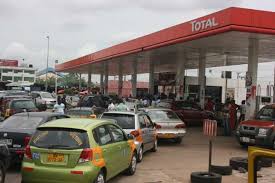
The National Petroleum Authority (NPA) has set new minimum prices for petroleum products for the first pricing window of February 2026, effective from February 1 to February 15.
Under the directive, Oil Marketing Companies (OMCs) and LPG Marketing Companies (LPGMCs) are prohibited from selling petroleum products below the approved price floor within the period.
According to a price update by Joy Business, the price floor for diesel has been raised to GH¢10.95 per litre, up from GH¢10.47, while petrol has increased to GH¢9.99 per litre from GH¢9.80. Liquefied Petroleum Gas (LPG) is now priced at GH¢9.05 per kilogram.
The adjustment means companies currently selling below the new thresholds will be required to revise their pump prices to comply with the directive.
In April 2024, the NPA introduced a price floor policy for petroleum products, requiring strict compliance by OMCs and LPGMCs with the minimum prices set for fuel sales.
The Authority said the policy was aimed at preventing price distortions and promoting stability in the downstream petroleum sector. It explained that the initiative aligns with the Petroleum Pricing Guidelines and is intended to improve transparency, sustainability, and fairness in the fuel market.
According to the NPA, the policy is expected to create a more predictable and balanced pricing structure that benefits consumers while ensuring fair competition. The Authority added that the decision followed recommendations from industry stakeholders, citing widespread non-compliance with pricing rules and what it described as serious price undercutting by some operators.
The latest price floor adjustment comes amid heightened industry debate, which recently led market leader Star Oil to withdraw from the Chamber of Oil Marketing Companies (COMAC).
Following an emergency board meeting, a majority of COMAC members voted to allow the NPA to proceed with the implementation of the price floor programme, arguing that the policy is necessary to prevent the collapse of the downstream petroleum industry.
Star Oil, however, has maintained that the price floor restricts its ability to price competitively in response to prevailing market conditions.













Comments (0)
No comments yet. Be the first to comment!