 Breaking News

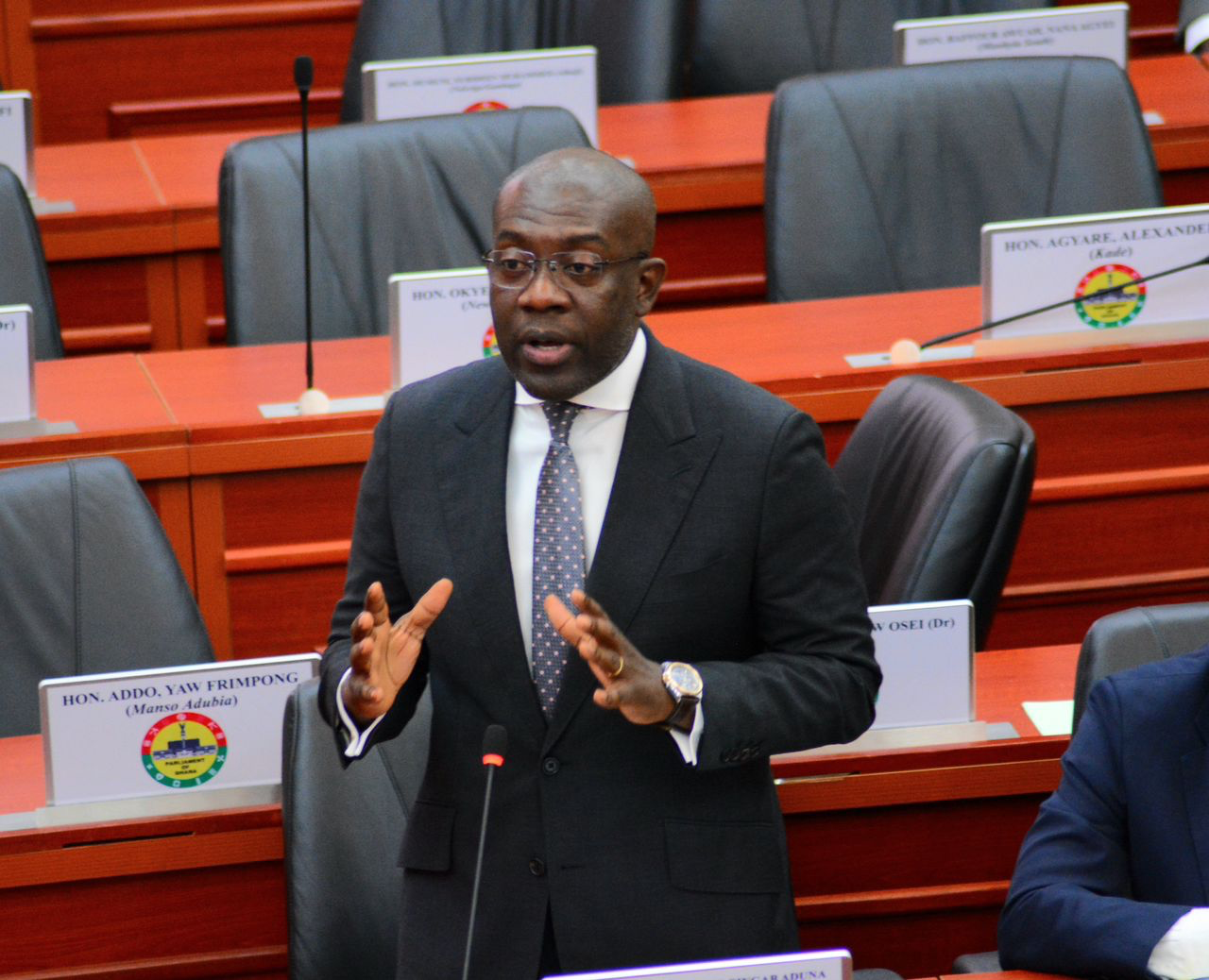
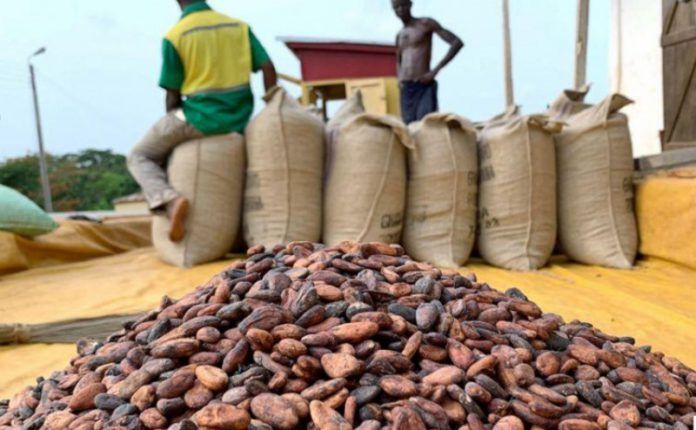
The Minority in Parliament has sharply criticised the government’s decision to slash the cocoa producer price, describing the move as unprecedented, economically reckless, and unfair to farmers who form the backbone of Ghana’s cocoa industry.
Speaking on behalf of the Minority, the Ranking Member of Parliament’s Agriculture Committee and MP for Offinso South, Hon. Isaac Yaw Opoku, condemned the reduction of the producer price from GH₵3,625 to GH₵2,587 per 64-kilogramme bag, accusing the government of “treating cocoa farmers like trash.”
He recalled earlier promises by senior government officials, including the Finance Minister, to increase cocoa prices to GH₵6,000 per bag, questioning why farmers are now being penalised.
“These farmers have sacrificed for this country for decades. Why are they being punished while salaries, allowances, and benefits of public officials remain untouched?” he asked. He further demanded to know whether senior COCOBOD officials, including the CEO, will also take pay cuts to share in the burden.
Minority Demands Accountability and Fair Treatment
Hon. Opoku argued that a fair and equitable economic policy would not single out farmers for sacrifice, particularly given their critical contribution to foreign exchange earnings and rural livelihoods. He urged the President to revisit the decision and protect farmer incomes rather than diminishing them.
‘Price Cut Is a Haircut for Nearly One Million Farmers’ – Oppong Nkrumah
Adding to the criticism, the Ranking Member of Parliament’s Economy and Development Committee and MP for Ofoase Ayirebi, Hon. Kojo Oppong Nkrumah, described the 28.6 per cent reduction in cocoa prices as a “haircut” on nearly one million cocoa farmers and their dependents.
He attributed the crisis to government changes in COCOBOD’s trading model, which now sells about 70 per cent of cocoa on the spot market, compared with 30 per cent previously, exposing the sector to global price volatility. He also blamed the overvaluation of the cedi, which has made Ghana’s cocoa exports more expensive and less competitive internationally.
“When you manage an economy with artificial adjustments, the real effects hit cocoa farms, transport fares, electricity bills, and school fees,” he warned, emphasizing the devastating impact on rural communities and the broader economy.
Calls for Bailout Instead of Price Cut
Former Finance Minister and MP for Karaga, Hon. Mohammed Amin Adam, also criticised the government’s handling of the cocoa sector, accusing it of abandoning a restructuring strategy developed with IMF support, which has contributed to the current crisis.
He urged a direct bailout for COCOBOD instead of cutting producer prices, warning that the government’s approach risks undermining export competitiveness and harming farmers.
“An economy that is better managed does not reduce cocoa prices. Ghanaians must see through the government’s narrative,” he said.
The Minority’s criticism follows the government’s announcement of a revised cocoa producer price of GH₵41,392 per tonne, equivalent to GH₵2,587 per bag, for the remainder of the 2025–2026 crop season, citing falling global cocoa prices and liquidity constraints.
The reduction is part of a wider government reform package, which includes COCOBOD debt restructuring and a forensic audit into its operations. Opposition lawmakers argue that the price cut unfairly shifts the burden of systemic mismanagement onto farmers, who are already grappling with rising input costs, delayed payments, and economic hardship.
Cocoa remains a critical pillar of Ghana’s economy, supporting millions of livelihoods and contributing substantially to export earnings. The Minority warns that continued policy missteps could exacerbate rural poverty and undermine Ghana’s global standing as a leading cocoa producer.









Comments (0)
No comments yet. Be the first to comment!