 Breaking News

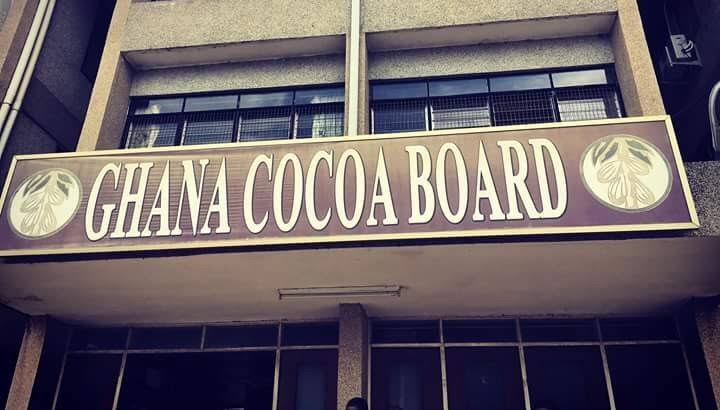
COCOBOD has prohibited Licensed Buying Companies (LBCs) from purchasing cocoa from farmers on credit and warned that repeated breaches could lead to licence withdrawal.
Dr Randy Abbey, Chief Executive Officer of COCOBOD, announced the measure at the launch of the Chamber of Cocoa Marketers, where he outlined steps to improve liquidity, payment discipline and efficiency across Ghana’s cocoa marketing system.
Dr Abbey said COCOBOD has formally notified all LBCs of the directive and made clear that any repeat infractions may result in revocation of a company’s licence.
He explained the ban aims to shorten the time taken to settle payments, enable LBCs to buy cocoa more promptly, reduce their reliance on bank financing and enhance the profitability of cocoa marketing.
“You are not supposed to buy cocoa on credit from farmers. We have all decided that we will go and sin no more,” Dr Abbey said.
He also urged cocoa farmers not to hand over their beans to purchasing clerks on credit, stressing that LBCs are not permitted to operate under such arrangements.
Dr Abbey said the new arrangement is expected to take effect from the 2026/27 cocoa crop year and is intended to eliminate delays in payments to LBCs after they take delivery of cocoa from farmers.
He noted that delayed payments have been a persistent problem for LBCs since 2020, undermining their ability to sustain regular purchasing operations.
“The new funding model is to ensure sufficient liquidity for cocoa purchases and related operations all year round. Hence, beginning the 2026/27 crop year, we hope to eliminate the delays in the payment of cocoa takeover receipts, which has been the bane of LBCs since 2020,” he said.
Faster payment cycles are expected to allow LBCs to speed up cocoa procurement, lower their indebtedness to banks and improve the overall efficiency of the cocoa marketing chain.
Dr Abbey added that the financing reforms will support increased domestic processing and value addition.
Under the previous financing arrangement, significant portions of Ghana’s cocoa crop were used as collateral to secure funding, which limited local processors’ access to raw beans.
The new financing mechanism is therefore expected to provide greater liquidity for cocoa procurement while supporting Ghana’s drive to process more cocoa domestically and retain a larger share of the commodity’s value.
These financing reforms form part of broader changes introduced under the Ghana Cocoa Board Bill 2026.
Dr Abbey said the legislation guarantees cocoa farmers 70% of the gross Free on Board (FOB) value of cocoa while allowing producer prices to be reviewed during the season based on prevailing market indicators.
He said the reforms are designed to enhance the financial sustainability of the cocoa sector, strengthen the value chain and ensure more sustainable returns for farmers and other stakeholders.
Dr Abbey described the measures as a major reset of Ghana’s cocoa industry, noting that the new law replaces the framework that had governed COCOBOD since 1984.
“These measures and the new bill constitute the most significant reforms to our industry since 1984,” he said.
He added that the reforms are intended to create a firmer foundation for growth, increased domestic processing and industrialisation within Ghana’s cocoa sector.











Comments (0)
No comments yet. Be the first to comment!